


 Látogasson el Facebook oldalunkra is

The Belgian State Archives hosted a training course titled “Archives x Data. Paper meets digital documentation” in early May in Brussels with the participation of archivists, librarians, and educators.
During the four-day event, experts presented the day-to-day practices of both traditional, on-site archives that handle physical documents and more recent online repositories, as well as the transformation of the archival profession and its increasingly data-driven approach, from various perspectives. Discussions covered the new goals and tasks of archives, changes in the legal and regulatory environment, and the transformation of methods and workflows. By listening to staff from a wide variety of memory-preserving institutions, participants were able to familiarize themselves with the tools and systems for material collection and selection, data archiving, and research support. Emphasis was placed on the challenges associated with the proliferation of digital documents, as well as on the prerequisites for data reusability. The DDI project, which has multiple ties to the RDC, was introduced by highlighting the importance of comprehensive data documentation and the significance and application of metadata standards.
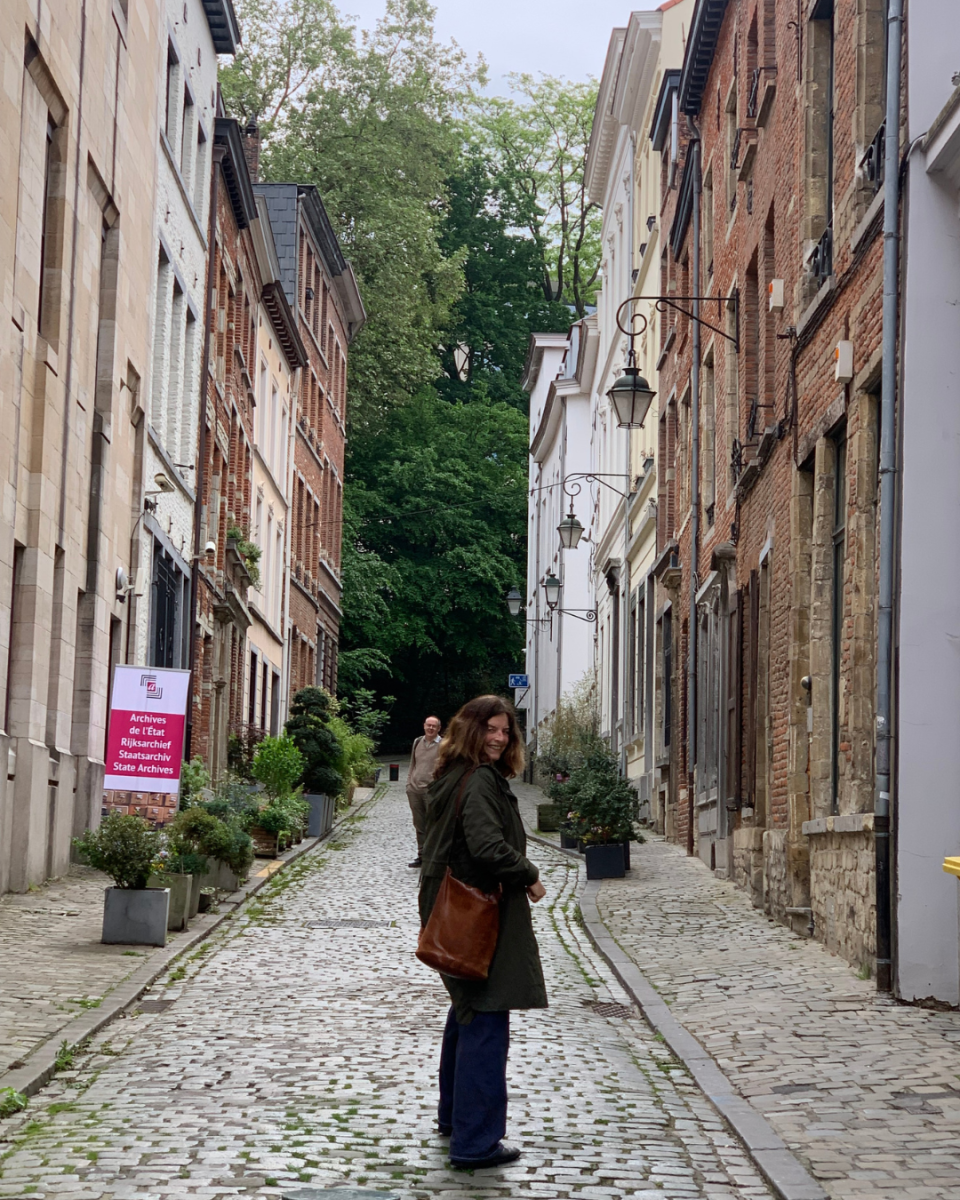 Speaking on behalf of the RDC, Róza Vajda reported on the operations of the Voices of the 20th Century Archive and the RDC’s wide-ranging activities. Her presentation focused on our projects aimed at improving the accessibility of the archive’s holdings and the interoperability of databases. Both our projects, one implemented between 2020 and 2023 and carried out within the framework of the National Laboratory for Artificial Intelligence in partnership with SZTAKI, aiming at the thematic mapping of our own interview collection, and the other, ongoing international ONTOLISST project led by RDC, which aims at the conceptual interoperability of social science survey data, support the archival and data stewardship profession in general through the development of controlled vocabularies and thesauri, promoting compliance with the demands of our time and the ideals of open science. Following the presentation, participants took part in an interactive session where they experienced firsthand the challenges of conceptually describing research data and came to realize that, even with the use of artificial intelligence and machine learning models, there remains a need for expert human oversight and interpretation.
Photo: Katalin Soós