


 Látogasson el Facebook oldalunkra is

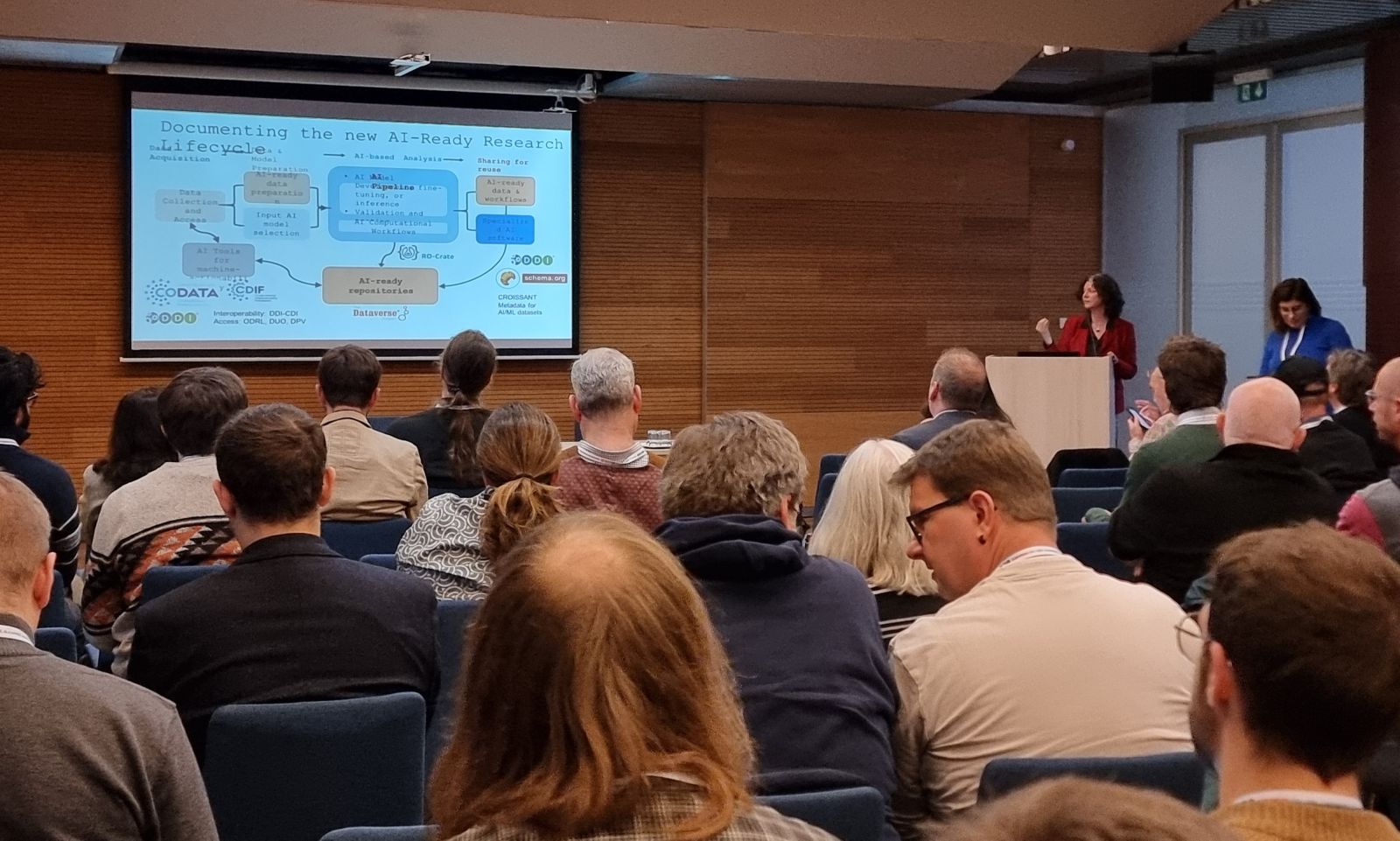
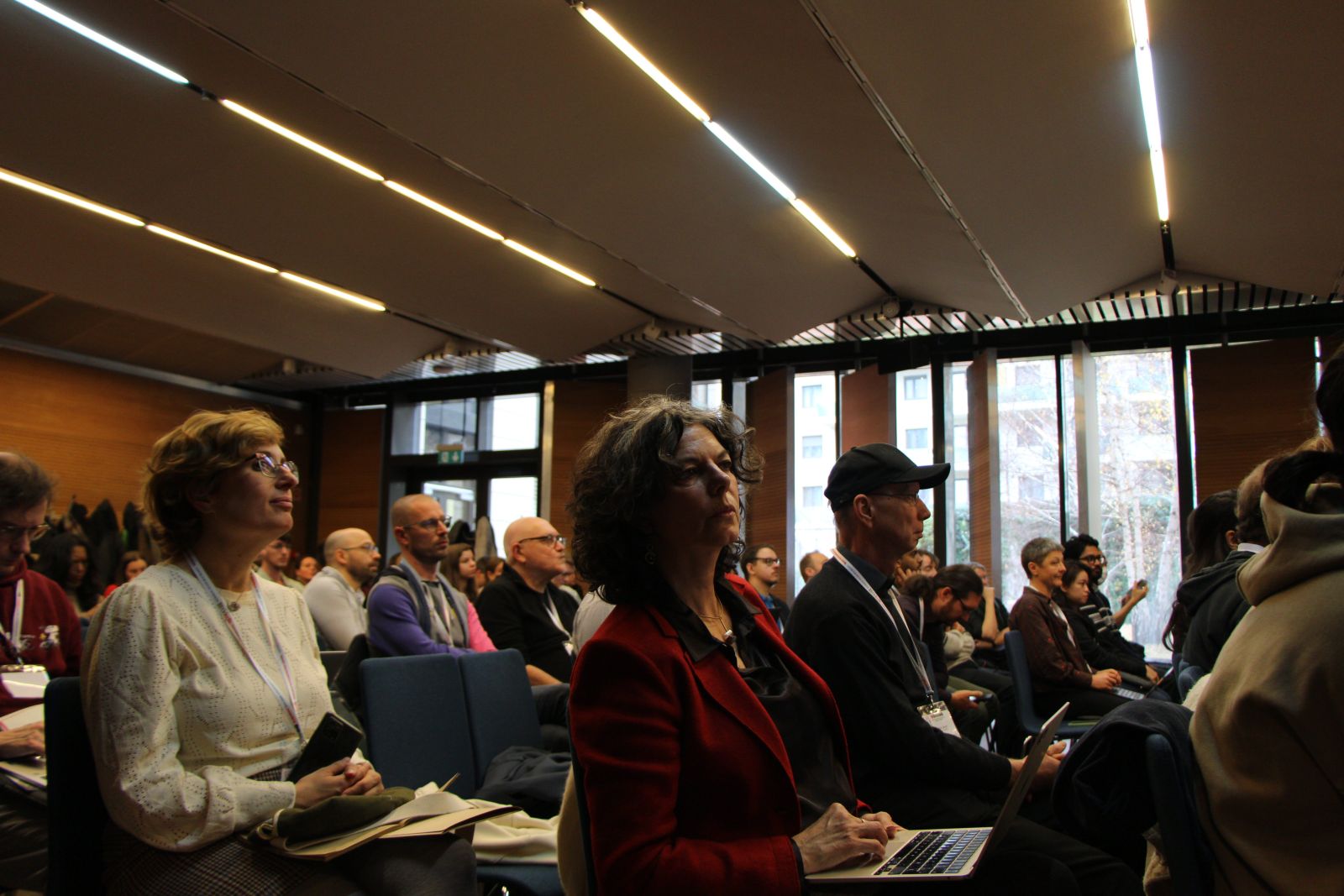
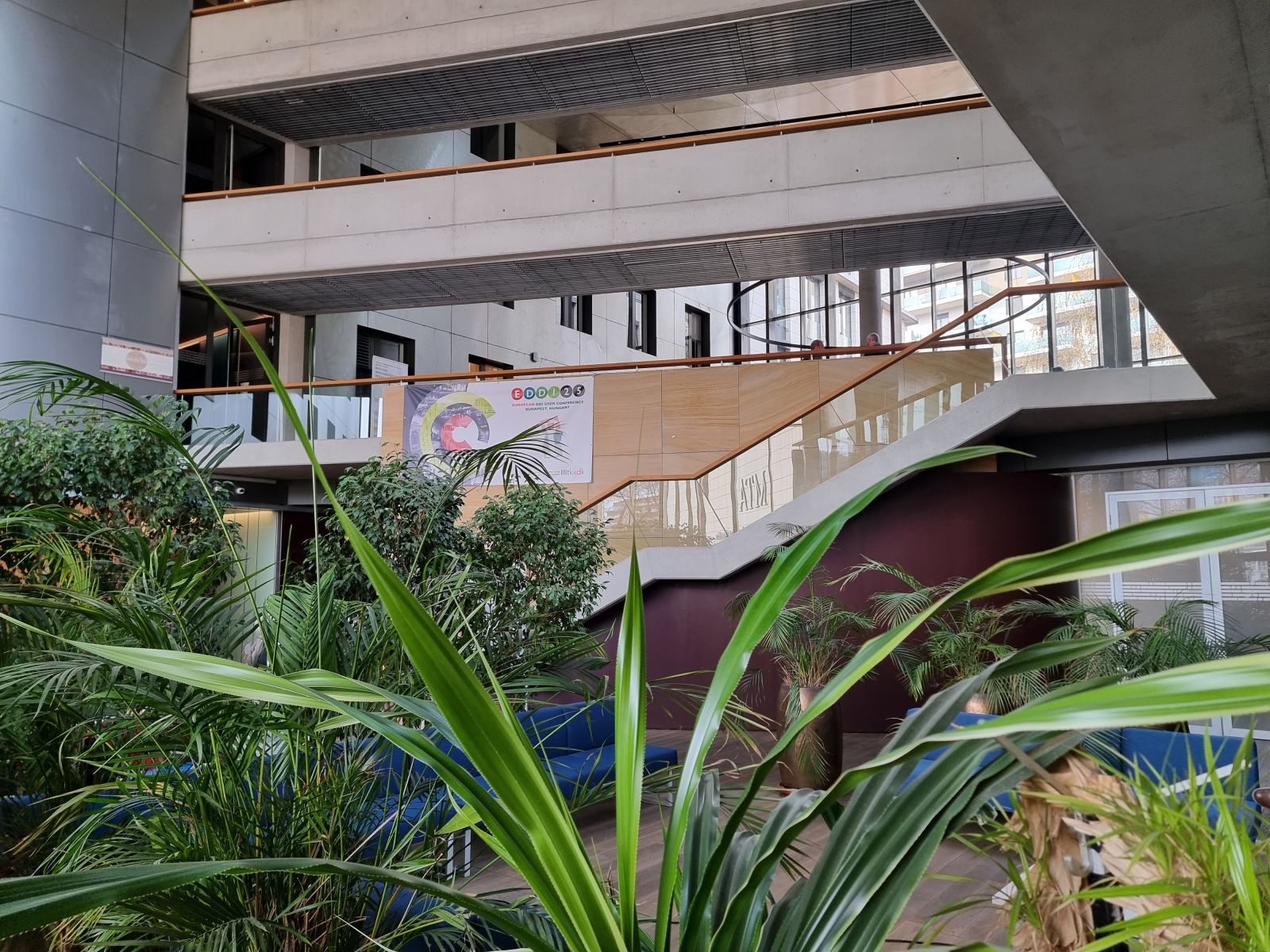
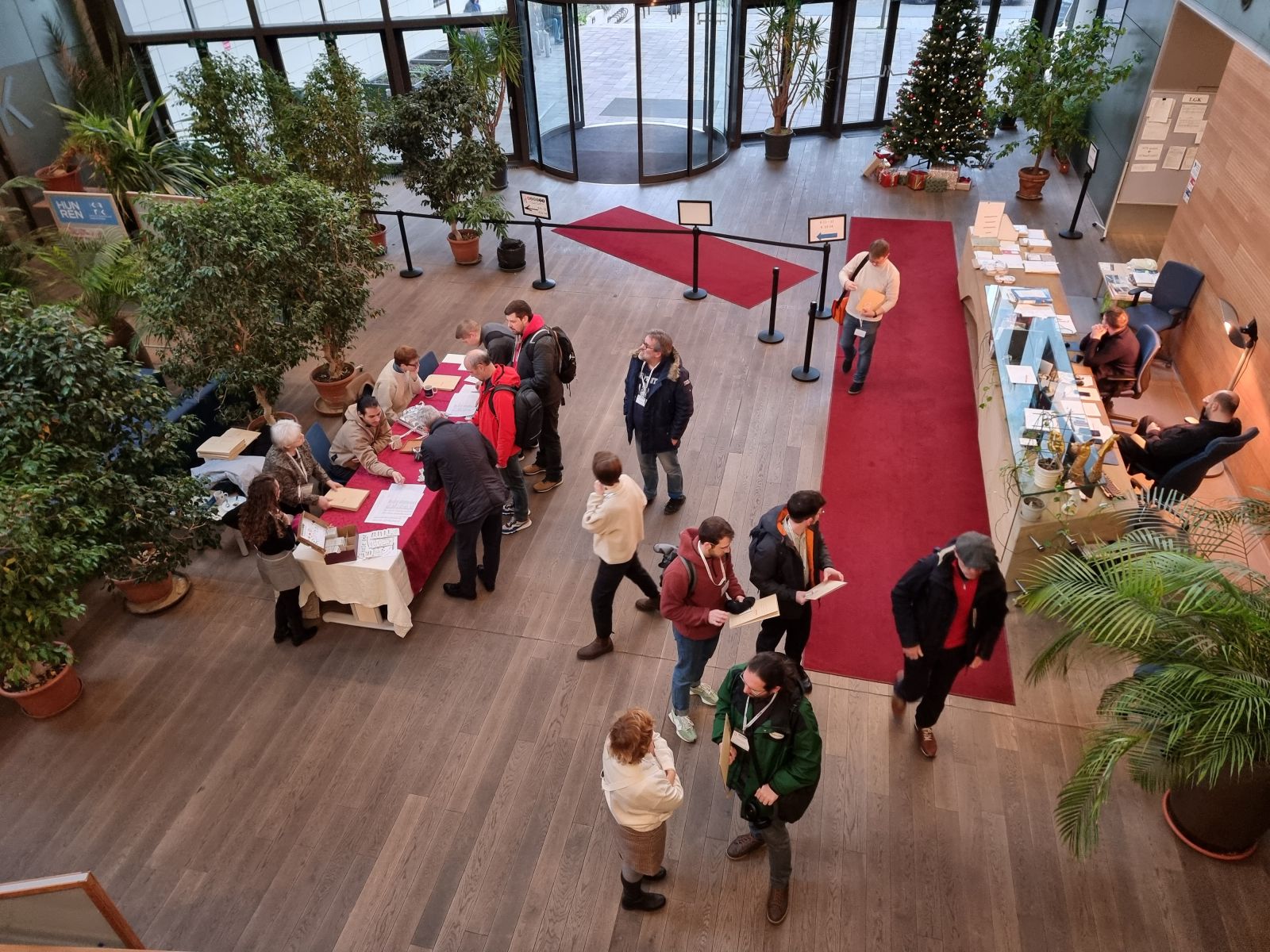
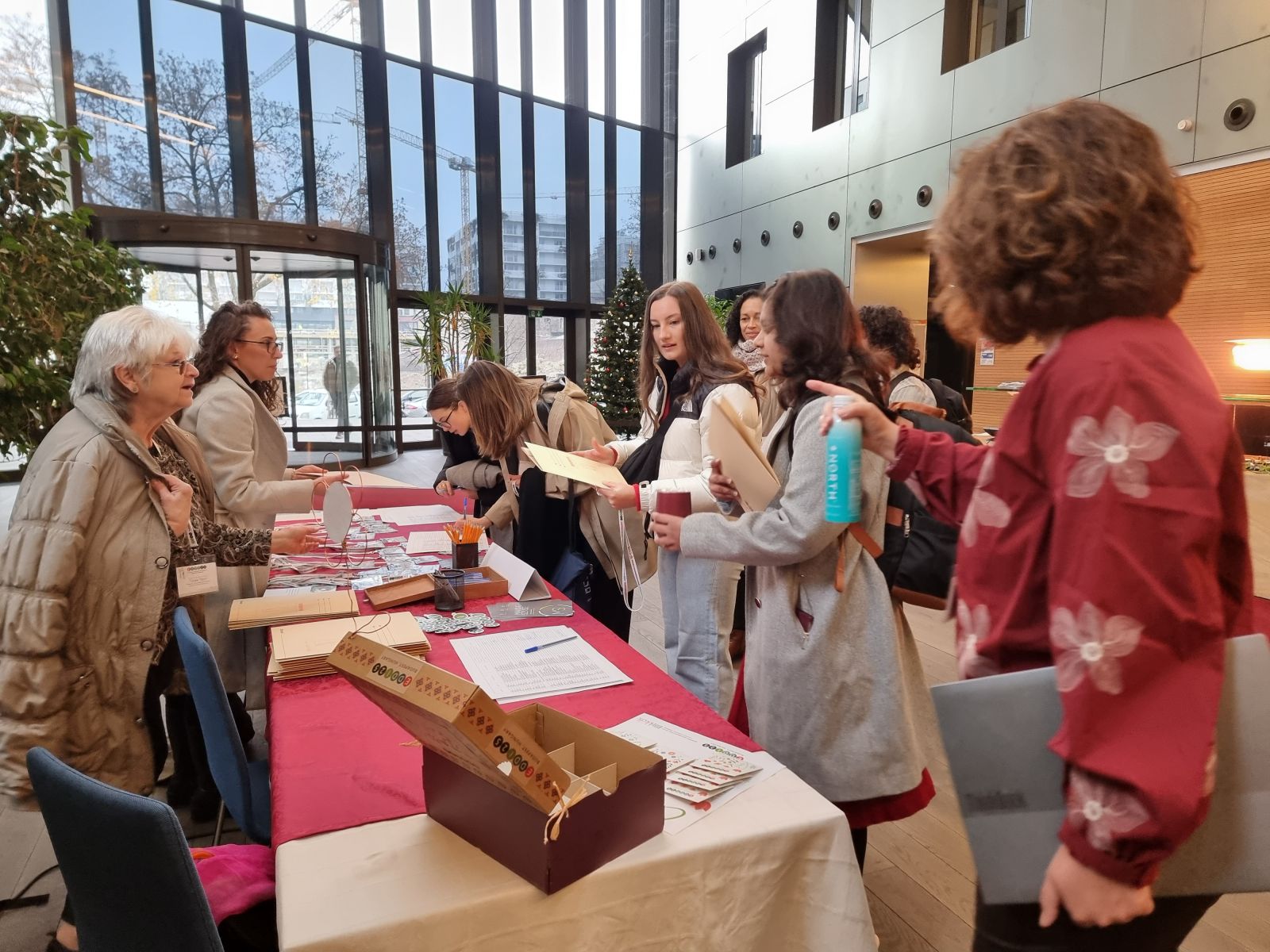
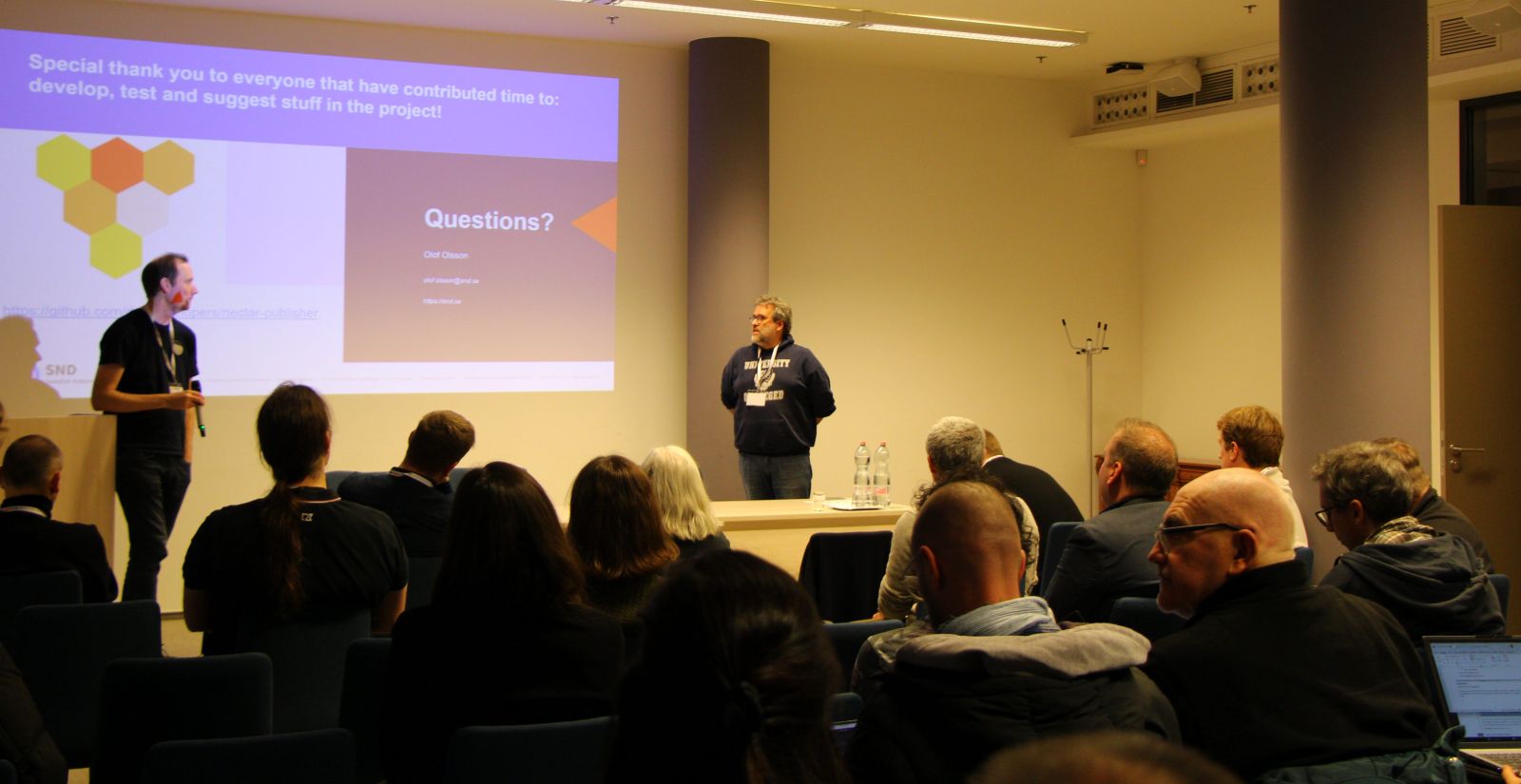
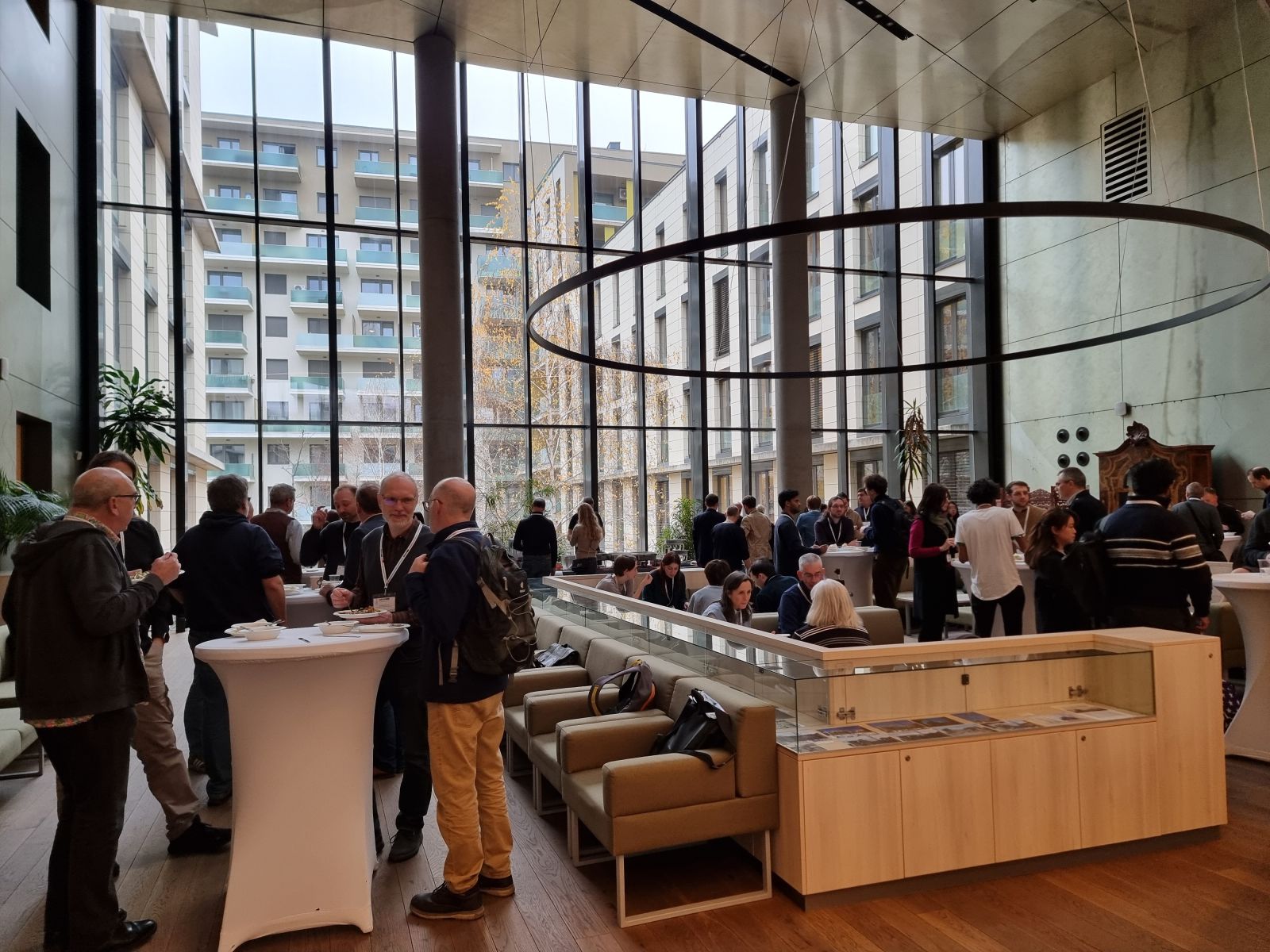
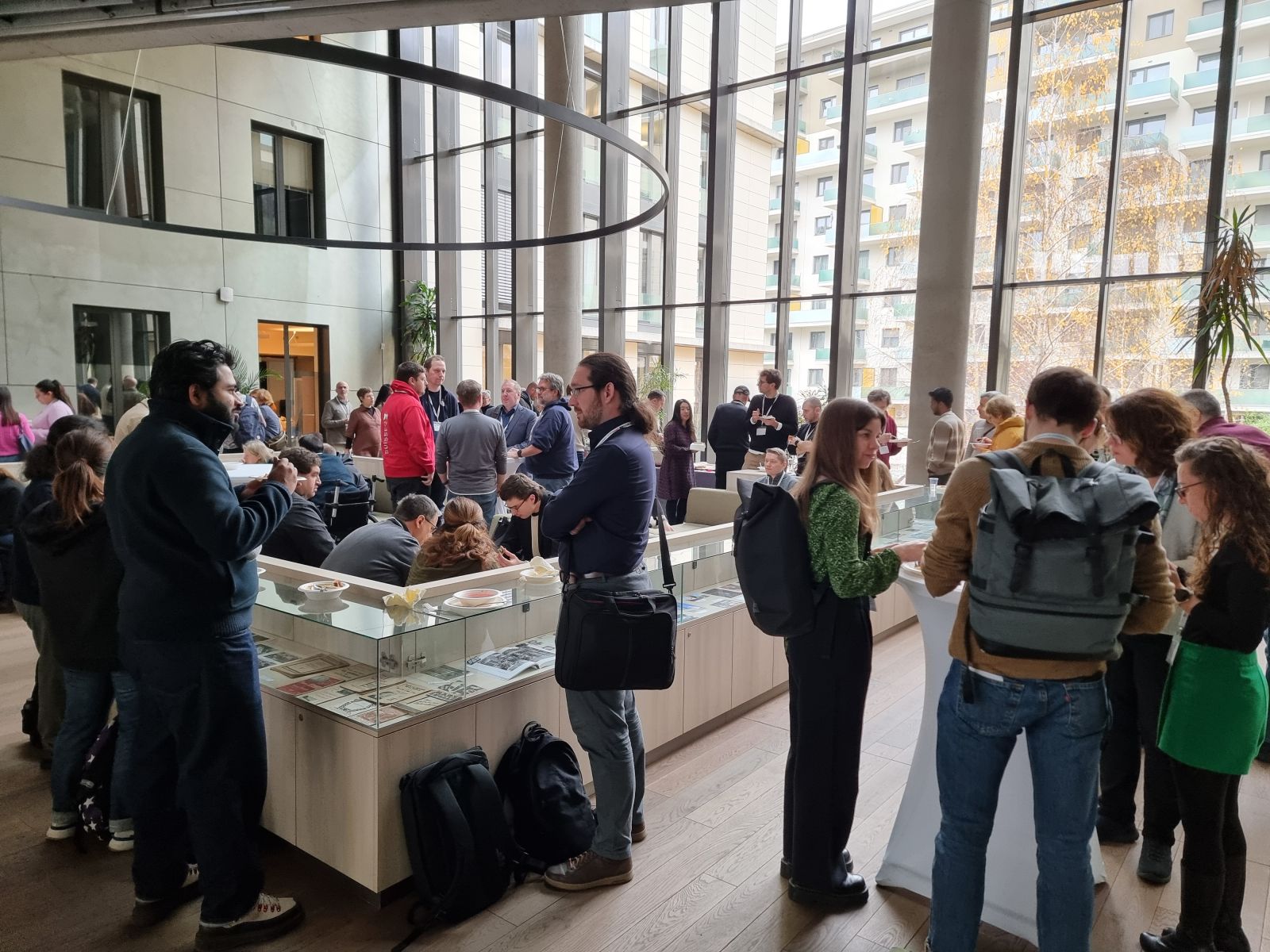
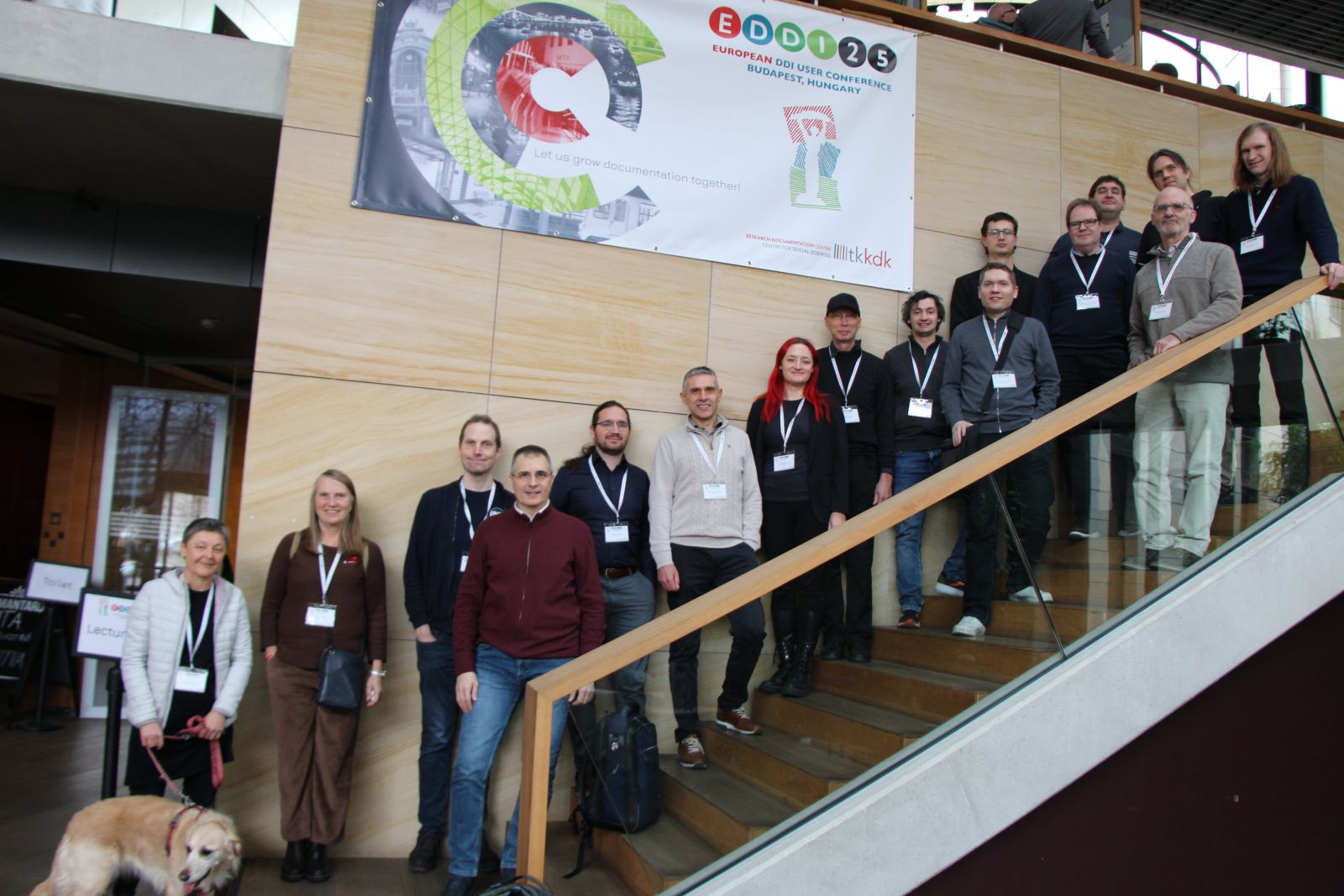
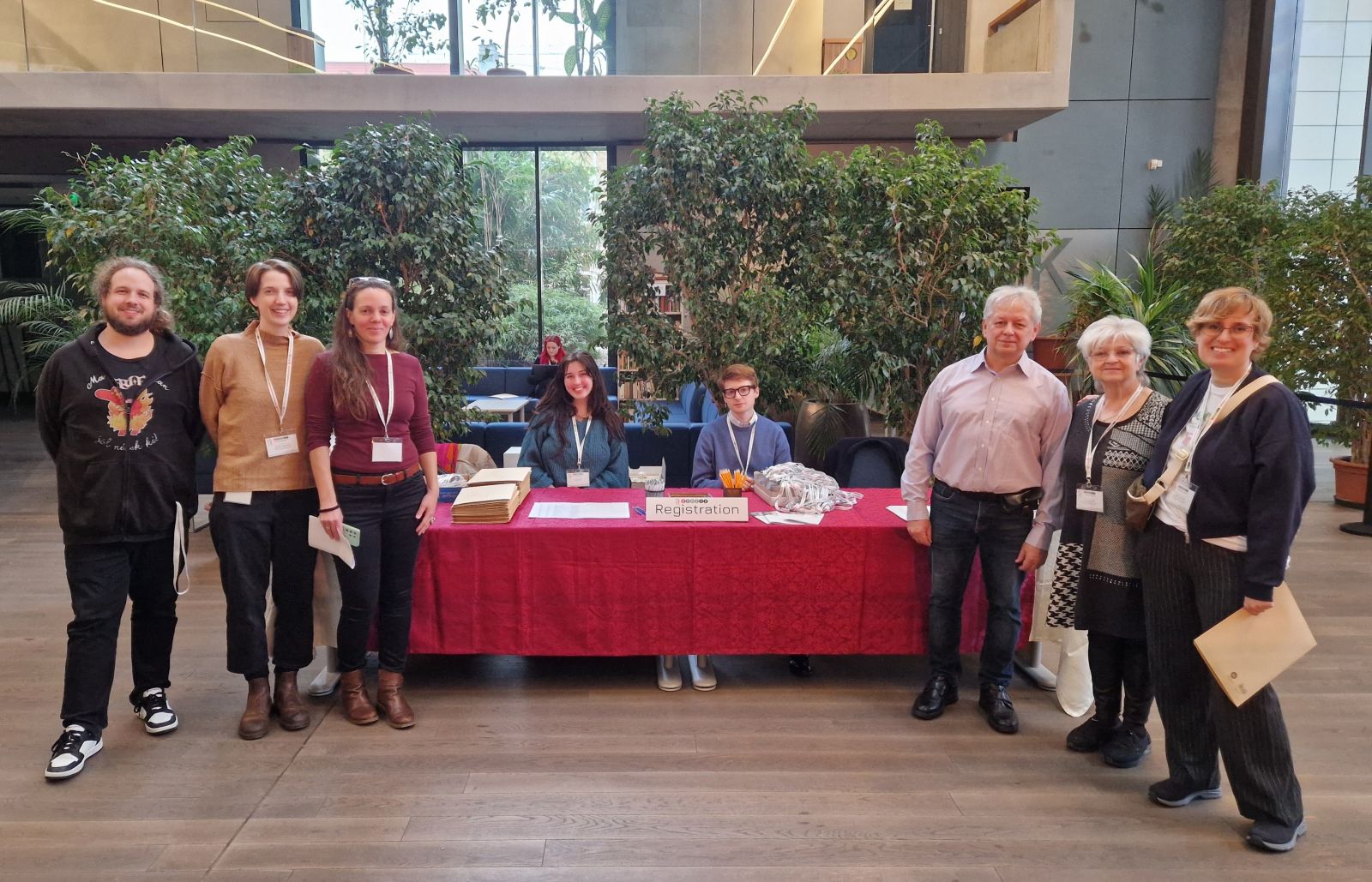
This year, RDC organized the annual international conference of the Data Documentation Initiative (DDI), called EDDI 2025. The event attracted participants from 22 countries. Representatives of several large European organizations presented their latest DDI-related research, developments, dilemmas, and future plans at the 5-day conference.
For the past 17 years, at the beginning of December, developers and users of the DDI metadata system for describing data in the social, behavioral, economic, and health sciences, researchers, data economists, and representatives of research infrastructures have been gathering to share their experiences, discuss the latest trends, and build new relationships. Every year, the event brings together experts in the management and publication of social science research data, not only from Europe and other other continents.
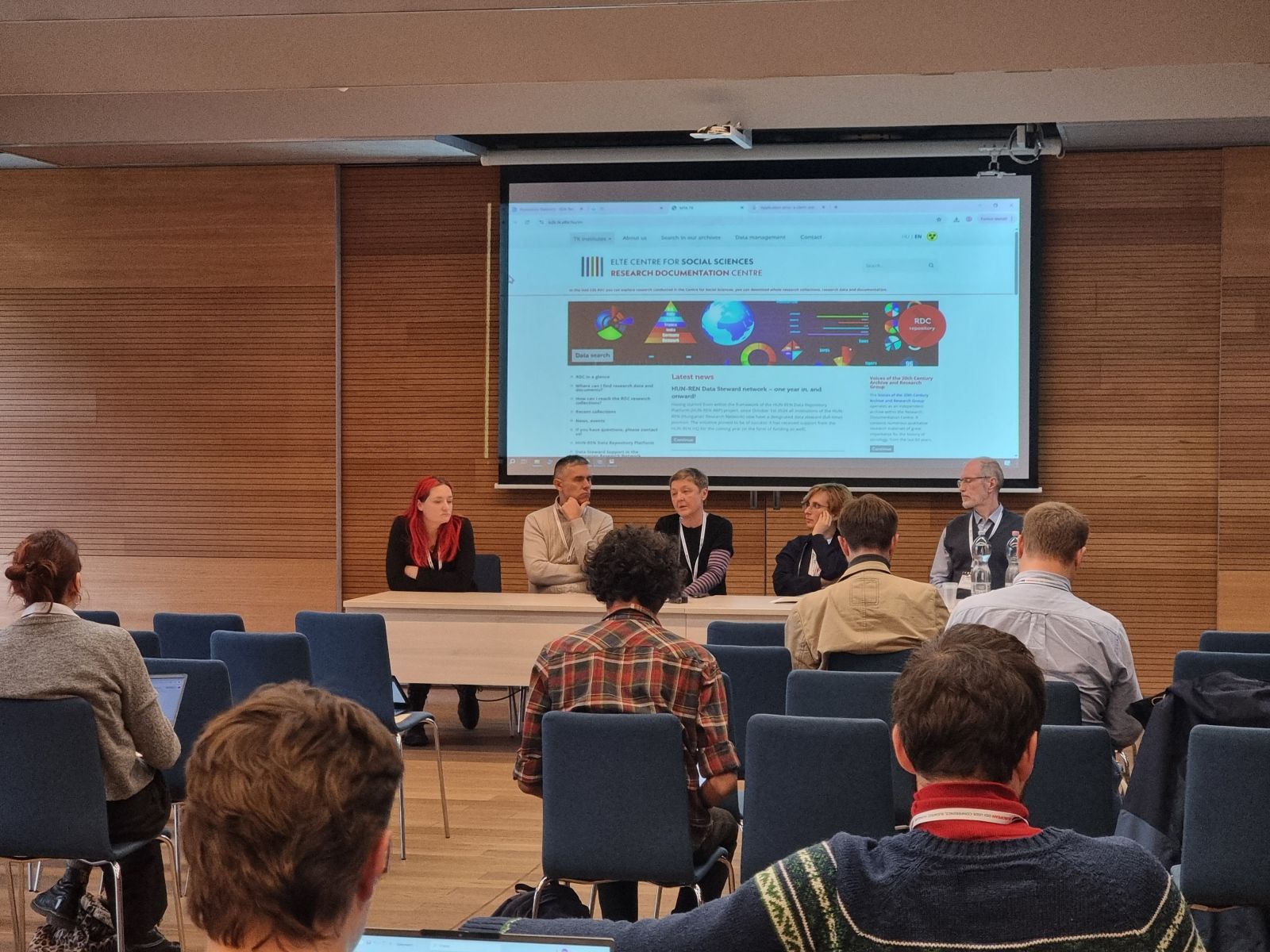
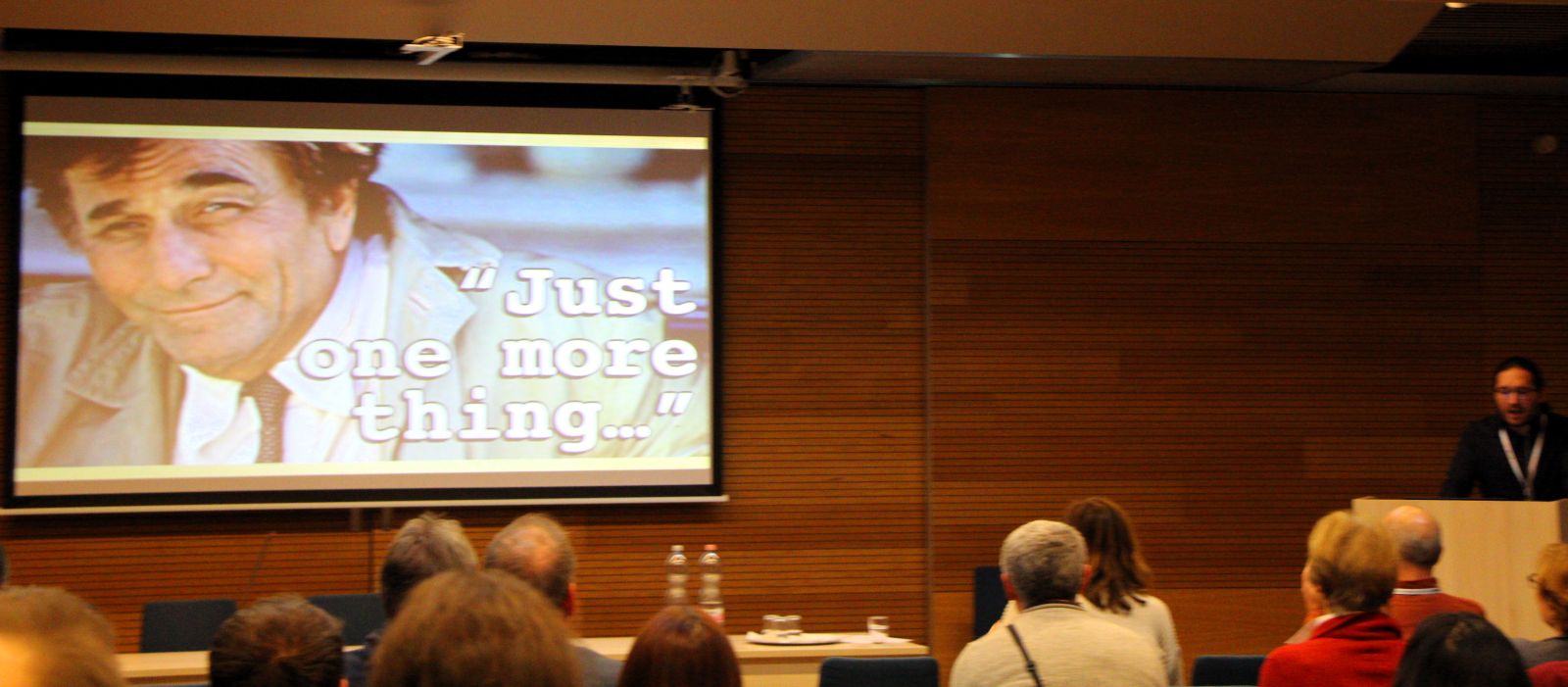
This year’s event began with workshops and tutorials: a demonstration of the practical use of DDI and Colectica software. This was followed by a two-day series of lectures and roundtable discussions, and then ended with a two-day hackathon. Researchers at the RDC and the PoltextLAB at the ELTE Centre for Social Sciences prepared two complementary presentations for the prestigious event. The presentations of Judit Gárdos, Róza Vajda and Tímea Venczel (entitled “Semantic Interoperability in Social Science Repositories”), and of Barbara Babolcsy (entitled “Using NLP Methods in Social Sciences - Experience and Opportunities”) discussed the results of the first year of the ONTOLISST project, a collaboration between the two institutes as well as the Finnish Social Science Data Archive at the Tampere University and the Centre for Sociopolitical Data at the French Fondation Nationale des Sciences Politiques.The session closed with a roundtable discussion (“Roundtable on some challenges of interoperability: Can we be on the same page?”) moderated by Róza Vajda. At the conference, Judit Gárdos and András Micsik (SZTAKI) reported on the ongoing work to implement DDI in data management at RDC.
Traditionally, there are two keynote addresses in the program: one by an international researcher and one by a local one. This year’s keynote lectures were delivered by Merce Crosas, President of CODATA, Head of the Computational Social Sciences and Humanities Lab of the Barcelona Supercomputing Center, and by Béla Janky, Research Professor of the RECENS research group at ELTE Centre for Social Sciences.
The CESSDA ERIC has reported on the week-long event and its own active participation there on its website, mentioning the local organizers and highlighting the success of the organization.
The venue of EDDI 2026 will be Brussels, see you there next year!
#eddi2025
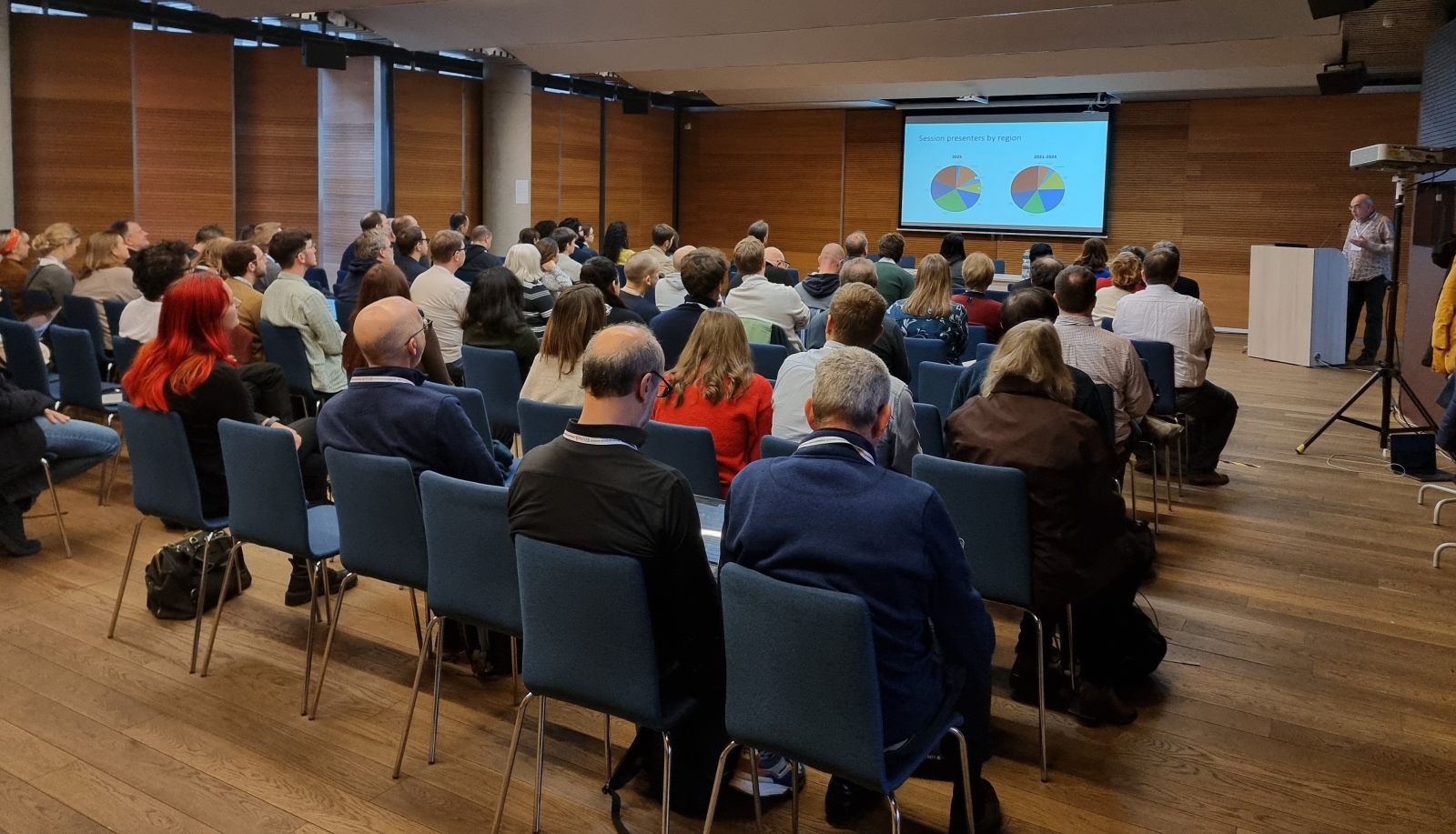
 Photos: Júlia Egyed-Gergely, Anna Horváth, Mariann Kovács, Tímea Venczel